
Extended Wear Holter Monitoring (EWH) has emerged as a game-changing tool in modern cardiac diagnostics, addressing the limitations of traditional 24-hour Holter systems. By extending the monitoring duration to 7 days or even 14 days, clinicians can significantly improve the detection of intermittent arrhythmias and other cardiac abnormalities that often remain undiagnosed during shorter monitoring periods. This extended timeframe allows for a more comprehensive assessment of a patient’s heart rhythm during daily activities, sleep, and periods of stress, offering deeper clinical insights.
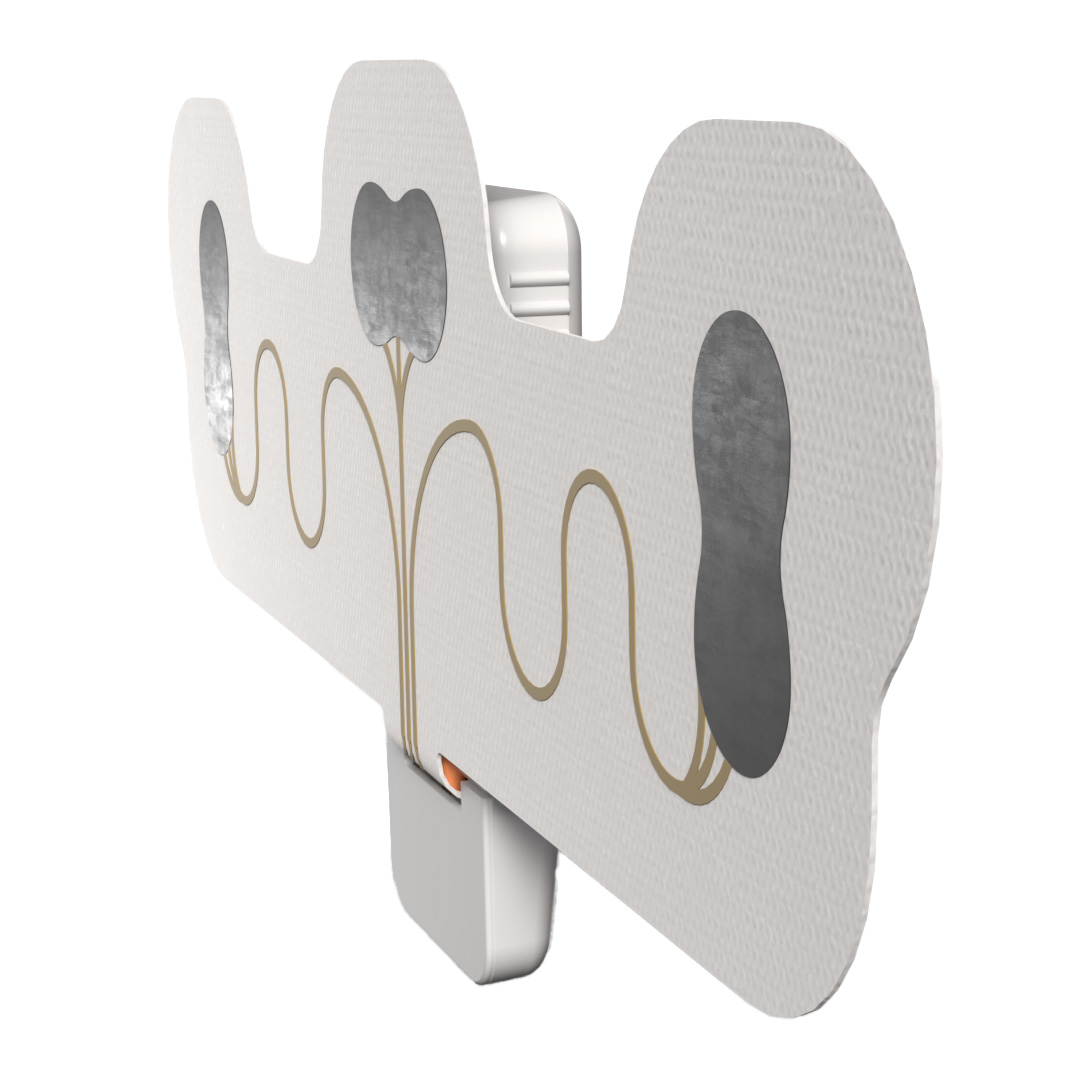
With advancements in wearable technology, such as dry electrode patches that remain comfortable and secure for up to 14 days, long-term monitoring is now more practical and reliable than ever. Extended Holter monitoring is particularly effective for patients presenting with symptoms like palpitations, syncope, dizziness, and unexplained chest pain, where irregular or infrequent arrhythmias may occur. The result is a significant increase in diagnostic yield, leading to faster, more accurate diagnoses and improved patient outcomes.
Extended monitoring systems like P-CARDIO’s innovative 1-12 lead ECG recorders are driving this transformation, enabling healthcare providers to deliver advanced, patient-friendly cardiac care while also opening new possibilities for medical applications. Together with research organizations like TNO/Holst and others we can offer such solutions.
Why Extended Wear Holter Monitoring?
Improved Diagnostic Yield:
Studies show that extending Holter monitoring from 1 day to 7 days increases diagnostic yield (DY) by 1.7x to 2.8x, while monitoring for 14 days boosts DY by 1.9x to 4.2x, depending on the referral diagnosis (RefDx) .
Detection of Rare and Intermittent Arrhythmias:
Conditions such as bradycardia, atrial fibrillation, and pauses ≥3 seconds benefit significantly from extended durations.
Guided by Referral Diagnosis (RefDx):
- Patients with palpitations show a 3.4x DY increase with 14-day monitoring compared to 1 day.
- Chest pain, tachycardia, syncope, and dizziness demonstrate significant improvements in detection rates .
Key Features
- Extended Monitoring Duration: Options for 7-day and 14-day continuous recording.
- Lightweight, Wearable Design: Comfortable devices suitable for daily activities and extended wear.
- Clinical-Grade Accuracy: Captures significant arrhythmias including:
- Bradycardia (<40 bpm)
- Atrial fibrillation (>30 seconds)
- SVT (>160 bpm for ≥3 beats)
- Ventricular tachycardia (>100 bpm for ≥3 beats).
- Enhanced Patient Compliance: Non-intrusive and wearable technology improves patient adherence over extended periods.
Who Benefits from Extended Holter Monitoring?
Extended wear Holter monitoring is ideal for patients presenting with:
- Palpitations
- Dizziness or syncope (collapse)
- Chest pain
- Unexplained tachycardia
- Suspected intermittent arrhythmias
Healthcare providers can tailor monitoring durations based on RefDx, optimizing clinical outcomes while minimizing unnecessary short-term monitoring.
Diagnostic Yield: Evidence-Based Results
- 1-Day Monitoring: Limited DY for many referral diagnoses.
- 7-Day Monitoring: 2.5x DY increase for common symptoms like palpitations.
- 14-Day Monitoring: Further 1.5x DY improvement over 7 days for conditions like chest pain
Applications for Medical Professionals and Researchers
- Cardiology Clinics: Improved detection of complex arrhythmias.
- General Practitioners: Cost-effective, non-invasive first-line diagnostics for unexplained symptoms.
- Telehealth and Remote Monitoring: Integration with cloud-based platforms for real-time data analysis.
Technology for OEM Software Companies
- Data Integration: Open APIs for seamless data analysis and EHR integration.
- Real-Time Streaming: Supports live ECG transmission for critical cases.
- Advanced Analytics: Detailed reporting and automated arrhythmia detection algorithms.
Conclusion
Extended Wear Holter Monitoring for 7 to 14 days offers a transformative approach to detecting and diagnosing arrhythmias. By leveraging extended durations and guided referral diagnoses, healthcare providers can achieve higher diagnostic yields and improved patient outcomes.
Innovative Solutions with PCARDIO Wearables for 7-Day to 14-Day Extended Wear Holter Monitoring
P-CARDIO wearables are specifically designed to meet the needs of extended wear holter monitoring with their advanced dry electrode patches. Unlike traditional electrodes that require replacement every 3-5 days, P-CARDIO’s dry electrodes can remain comfortably and securely on the body for up to 14 days without interruption, ensuring continuous, high-quality ECG recording. This technology eliminates the inconvenience of frequent patch changes, improving patient compliance and reducing monitoring interruptions. P-CARDIO’s range of recorders includes 1 to 12-lead ECG devices, offering flexibility for diverse medical applications—from single-lead rhythm tracking to multi-lead diagnostic studies. These innovations make P-CARDIO wearables ideal for extended cardiac monitoring and the development of new, cutting-edge medical solutions. P-CARDIO wearables is a health monitoring platform for research and custom OEM solutions developed by 2M Engineering.
Source: European Heart Journal (2023)
